
The evolution of gambling through the ages A historical perspective
Origins of Gambling in Ancient Civilizations
The practice of gambling can be traced back thousands of years, with roots in ancient civilizations. Archaeological findings suggest that games of chance existed in Mesopotamia around 3000 BCE, where dice made from bones and knucklebones were used. Similarly, the Chinese were known to gamble with tile games as early as the Shang Dynasty, which further emphasizes that gaming has always been a part of human culture. In modern times, many enjoy engaging with a slot machine online as a nod to this long-standing tradition.

In ancient Rome, gambling became a popular pastime among citizens, with various forms of betting present in daily life, from chariot races to gladiatorial contests. Roman authorities eventually recognized the potential for tax revenue from gambling activities, leading to the establishment of regulated betting systems that set the foundation for modern gambling practices.
The Middle Ages and the Rise of Gambling Houses
The Middle Ages saw a significant transformation in the landscape of gambling. During this era, gambling houses began to emerge across Europe, providing structured environments for people to engage in various games of chance. These establishments created a more organized approach to gambling and introduced games such as cards and various board games.
Additionally, the Church’s stance on gambling fluctuated during the Middle Ages, with periods of condemnation followed by tolerance. This inconsistency allowed gambling to persist, albeit often in clandestine forms. The introduction of playing cards from the East also sparked a revolution in gambling, making it more accessible and popular among the masses.
The Age of Enlightenment and Legalization
The Age of Enlightenment brought about significant changes in attitudes toward gambling, leading to its legalization in several parts of Europe. This era saw the establishment of the first official lotteries, which were often designed to raise funds for public projects. The trend towards regulation continued as governments recognized the social and economic benefits of legalized gambling.
In the 18th century, establishments known as casinos began to emerge, particularly in Italy and France. These venues offered a wide array of games, including roulette and baccarat, and quickly became centers of social activity. The casino culture flourished, attracting both the wealthy elite and the general public, reflecting a growing acceptance of gambling as a legitimate form of entertainment.
The 20th Century: Modernization and Globalization
The 20th century marked a significant evolution in gambling, driven by technological advancements and increased globalization. The introduction of electronic gaming machines and the rise of the internet reshaped the gambling landscape, making it more accessible than ever before. The establishment of Las Vegas as a gambling capital in the mid-20th century epitomized this shift, leading to the proliferation of casinos across the globe.
Moreover, the rise of online gambling in the late 1990s revolutionized the industry, allowing individuals to gamble from the comfort of their homes. This new digital landscape brought both opportunities and challenges, requiring regulatory bodies to adapt to the evolving nature of gambling and address issues such as problem gambling and security.
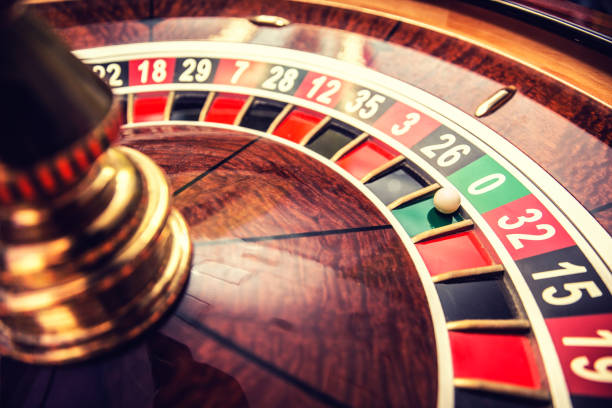
Exploring Modern Gambling Trends with Videogamer.com
Today, the evolution of gambling continues to unfold, with trends such as mobile gaming and live dealer experiences gaining popularity. Platforms like Videogamer.com offer insights into the latest developments in the gaming world, catering to enthusiasts who seek to stay informed about both traditional and modern gambling practices.
As the gambling landscape progresses, understanding its historical context becomes crucial for both novices and seasoned players. Videogamer.com serves as a vibrant community where users can discuss trends, share tips, and connect with fellow gaming aficionados, enriching their understanding of this enduring pastime.
